


-

High-Capacity 48V 10kWh LiFePO₄ Battery for Solar Storage Solution
Learn More -

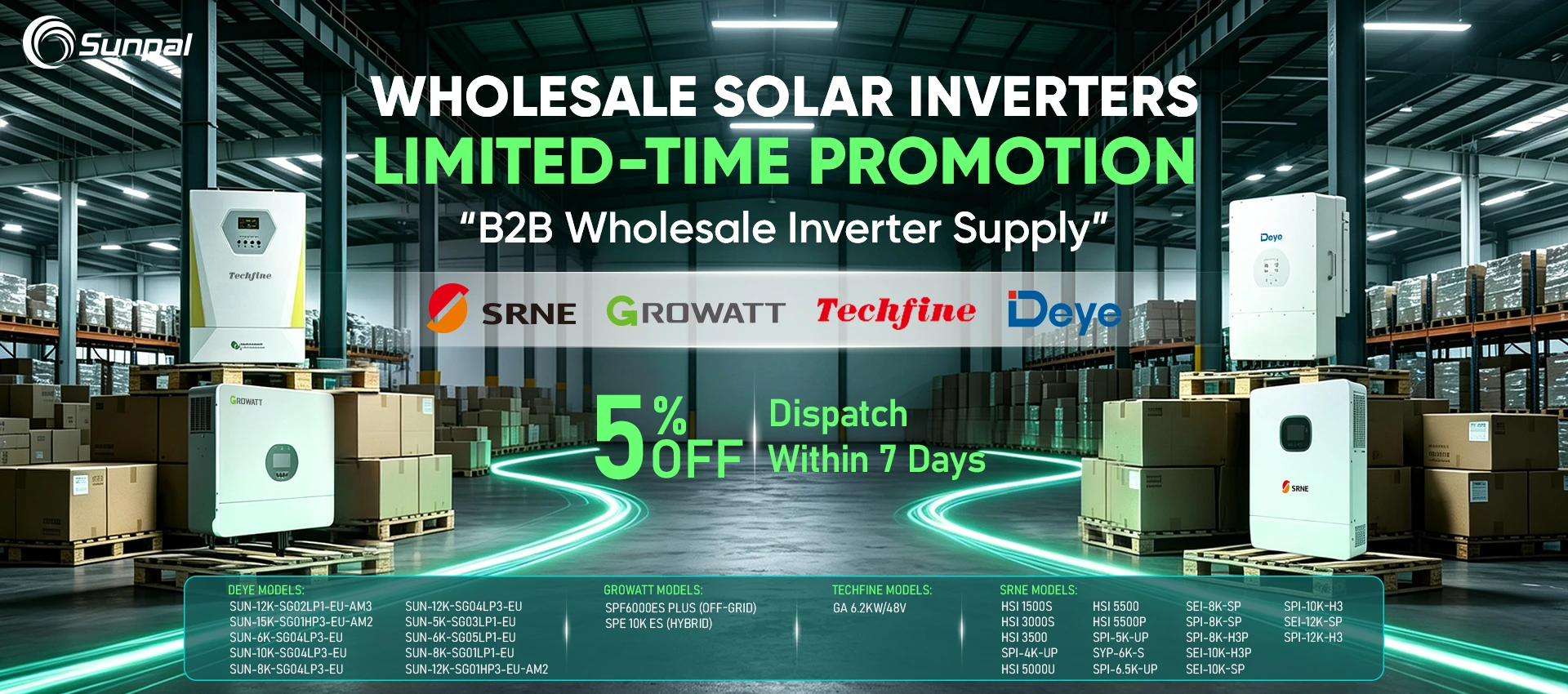
Growatt 3-5kW Single Phase Off-Grid Inverter with 450V DC PV Input
Learn More -

Bulk Sales of Sunpal 30kW 40kW 50kW 3-Phase Hybrid Solar System
Learn More -

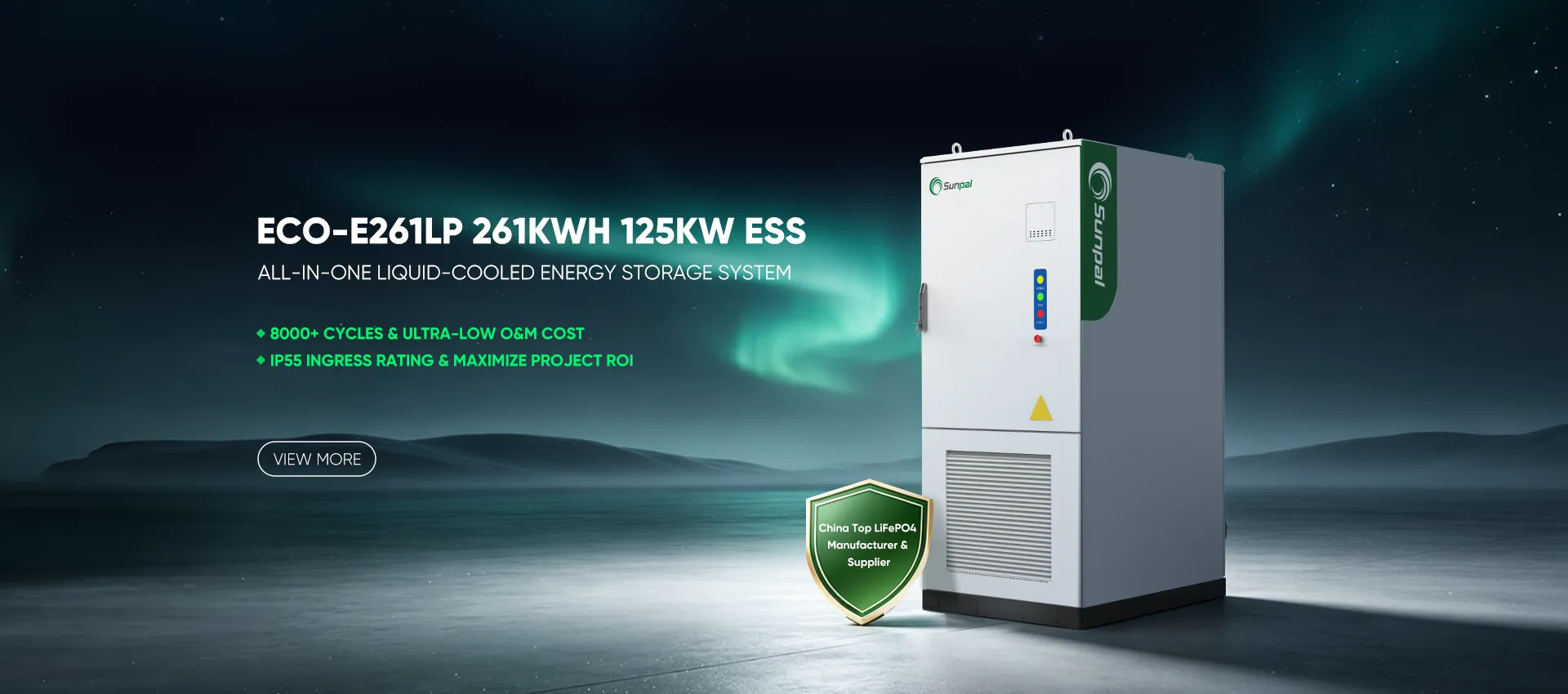
125kW/261kWh Liquid-Cooled Outdoor ESS for C&I Solar Battery Backup
Learn More -

500KW/1075KWh 20ft Container ESS for Commercial & Industrial Use
Learn More -

1MW/2.15MWh ESS 40ft Container for C&I Energy Backup
Learn More -

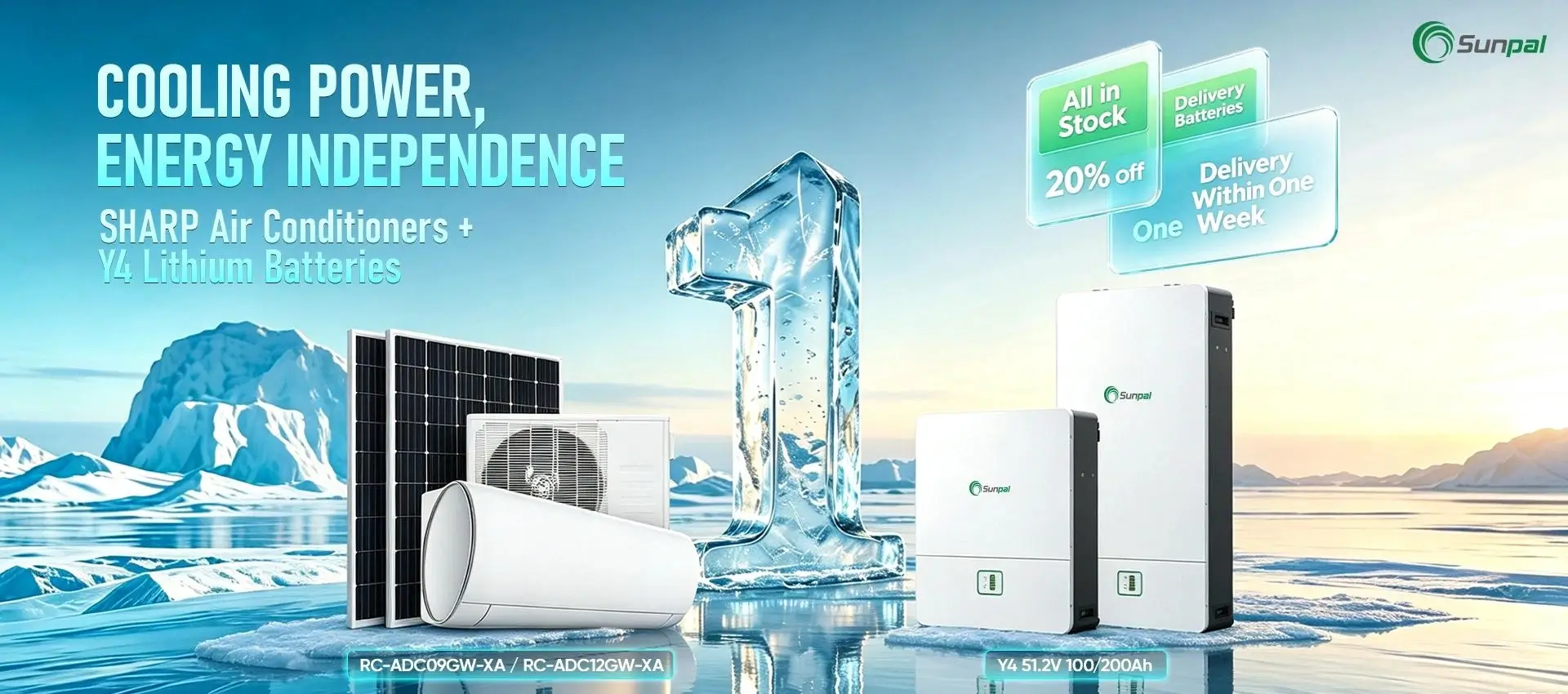
16kWh Wall-Mounted Lithium Battery Pack for Home Solar Energy Storage
Learn More
-

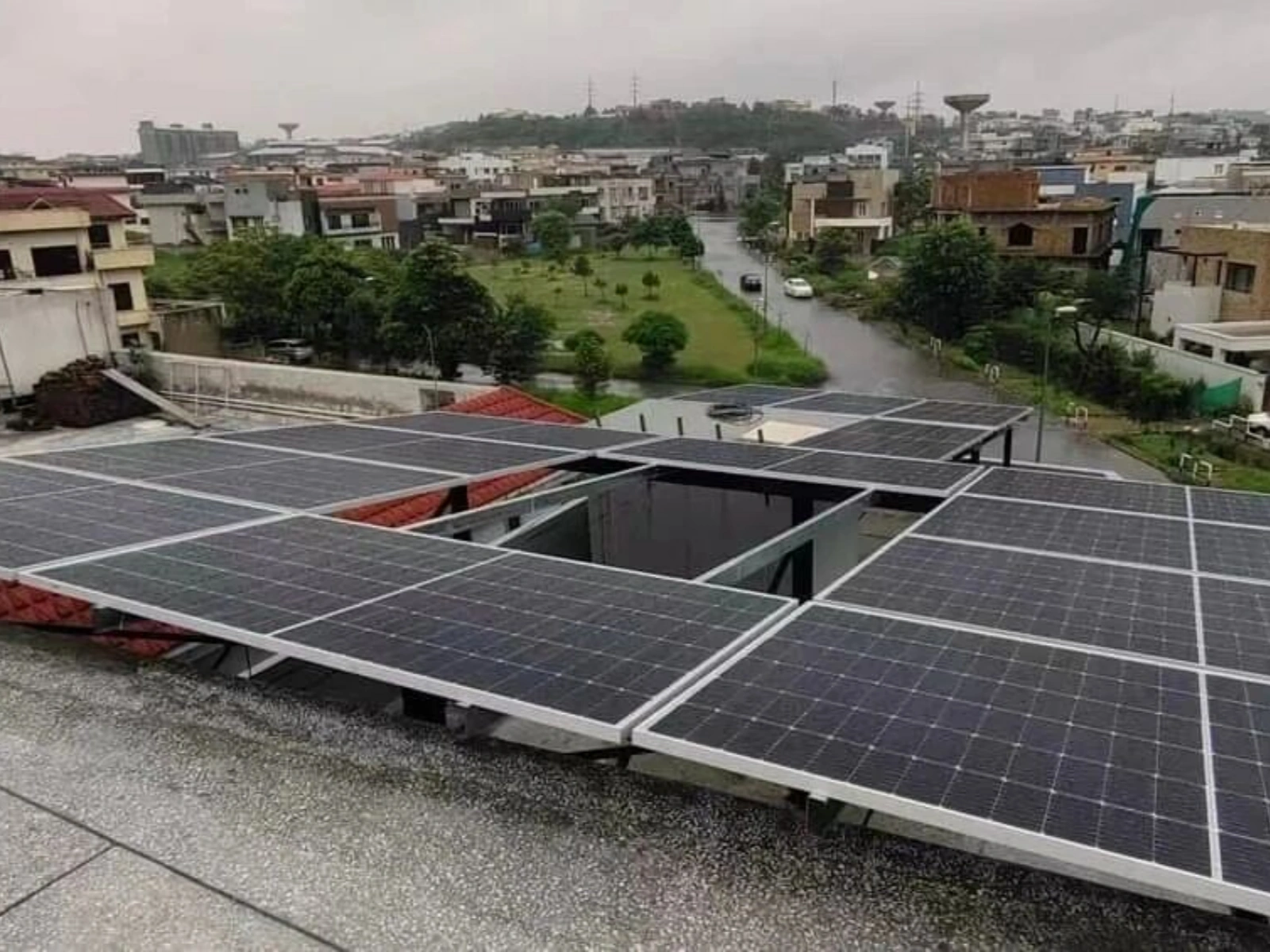
Residential PV System
- Power Range 3-20 kW
- On/Off-Grid Compatible
- Battery Integration Ready
- Smart Energy Control
- Quick Installation
- Compact Design
- Stable Output
- Remote Monitoring
- Modular Expansion -

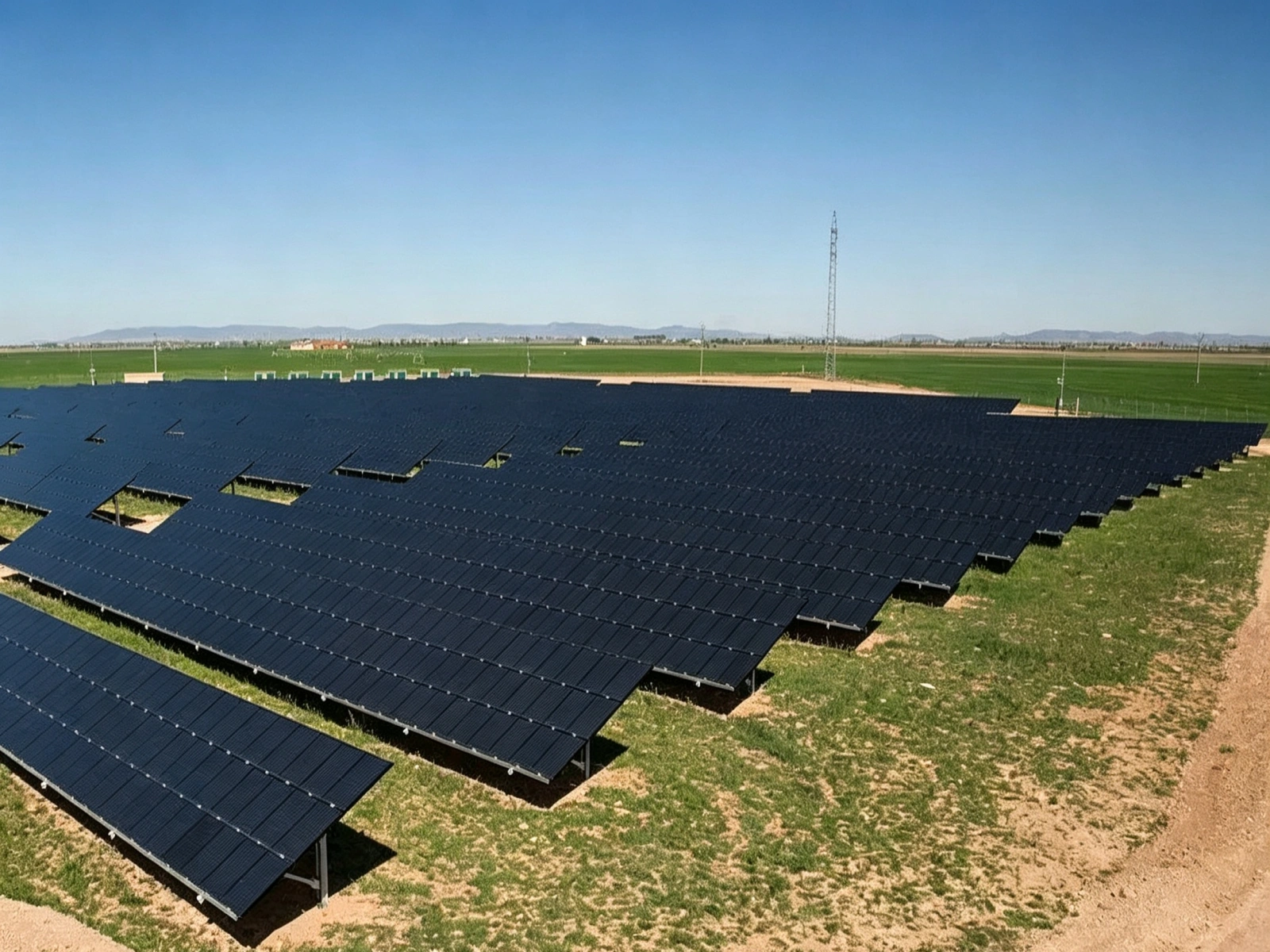
Commercial PV System
- Power Range 100 kW–10 MW
- Scalable Architecture
- High Conversion Efficiency
- Smart Inverter Support
- Modular Design
- Reliable Performance
- Low Maintenance
- Flexible Installation -

Energy Storage System
- Capacity Range 5 kWh–2 MWh
- Turnkey System Design
- Integrated BMS
- Peak Load Management
- Safe Lithium Technology
- Modular Configuration
- High Cycle Life -

PV Mounting System
- Universal Panel Compatibility
- Anti-Corrosion Coating
- Adjustable Tilt Angle
- High Structural Strength
- Quick Assembly
- Lightweight Frame
- Roof/Ground Adaptability -

PV-ESS-EV Charging Station
- Integrated Design
- Smart Load Management
- Rapid EV Charging
- Energy Storage Compatible
- Scalable Output
- Intelligent Control System
- Compact Infrastructure

Why Choose Us
-
Tailored Solar Solutions
Custom-designed systems to perfectly match your project requirements.

-
Quality & Value Guaranteed
Rigorous brand selection delivers premium products at optimal cost-performance ratios.

-
Complete Solar Ecosystem
One-stop supply of all solar components for seamless system integration.

-
Empowering Partnerships
Comprehensive technician training programs to build your team's capabilities.


-

Global Logistics Network
Flexible door-to-door or port-to-port delivery worldwide.
-

Expert Installation Support
On-site or remote guidance for smooth commissioning.
-

Smart After-Sales Service
Cloud-based monitoring with remote troubleshooting and MW-level maintenance.
-

Large-Scale Project Expertise
Dedicated technical teams for regular on-site maintenance of utility-scale systems.
-
Tailored Solar Solutions
Custom-designed systems to perfectly match your project requirements.
-
Quality & Value Guaranteed
Rigorous brand selection delivers premium products at optimal cost-performance ratios.
-
Complete Solar Ecosystem
One-stop supply of all solar components for seamless system integration.
-
Empowering Partnerships
Comprehensive technician training programs to build your team's capabilities.
-
Global Logistics Network
Flexible door-to-door or port-to-port delivery worldwide.
-
Expert Installation Support
On-site or remote guidance for smooth commissioning.
-
Smart After-Sales Service
Cloud-based monitoring with remote troubleshooting and MW-level maintenance.
-
Large-Scale Project Expertise
Dedicated technical teams for regular on-site maintenance of utility-scale systems.


