


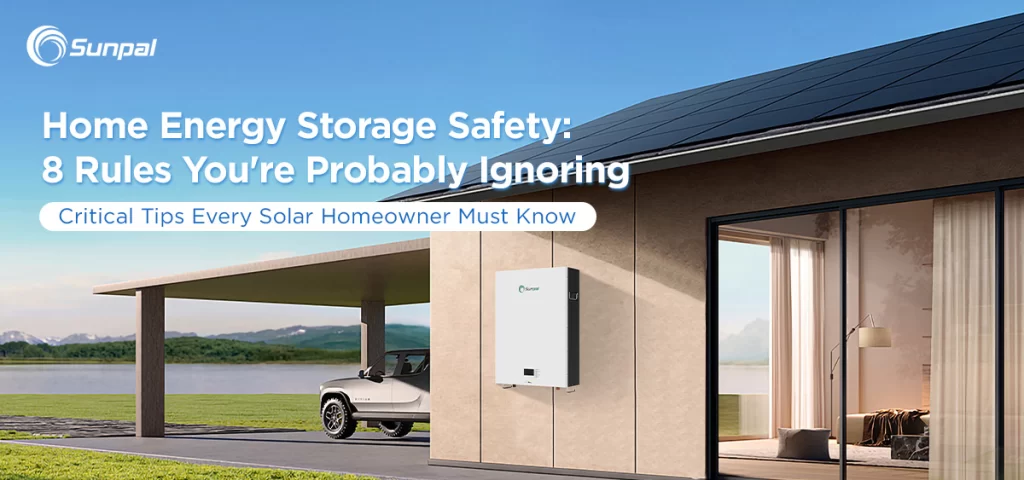
Homeowners are embracing residential solar battery storage like never before. With U.S. residential solar energy storage installations surging 51% in 2025 and the market valued at roughly $8 billion, more families are pairing rooftop solar panels with home energy storage systems (ESS) for energy independence, lower bills, and backup power during outages.
Yet many treat these lithium-ion home battery systems as “set-it-and-forget-it” appliances. Modern residential ESS units from reputable manufacturers like Sunpal feature advanced battery management systems (BMS), thermal regulation, and UL 9540 certification. However, 70-80% of potential safety issues stem from overlooked homeowner protocols around installation, siting, monitoring, and maintenance—not the technology itself.
This article breaks down the eight most ignored energy storage system safety protocols, backed by 2025-2026 data, recent real-world examples, NFPA 855 and UL 9540A updates, and actionable steps. Whether you're researching home solar battery storage or already have a system, following these protocols keeps your residential solar energy storage safe, reliable, and worry-free.
Why Home Energy Storage Safety Matters in 2026
The residential BESS market is projected to grow at a 20%+ CAGR through 2033 as solar adoption accelerates and grid reliability concerns mount. Global BESS deployments hit record levels in 2025, with residential segments driving behind-the-meter growth.
Lithium-ion batteries dominate home ESS because of high energy density and long cycle life. Properly certified systems pose minimal risk—far lower than everyday household items like dryers. German data on thousands of installations shows an annual fire probability of just 0.005%, roughly 50 times safer than a typical home fire.
Still, complacency creates preventable hazards. Thermal runaway—a chain reaction where a cell overheats, releases energy, and can propagate—remains the primary concern. Most incidents trace to non-compliance with codes rather than product defects.
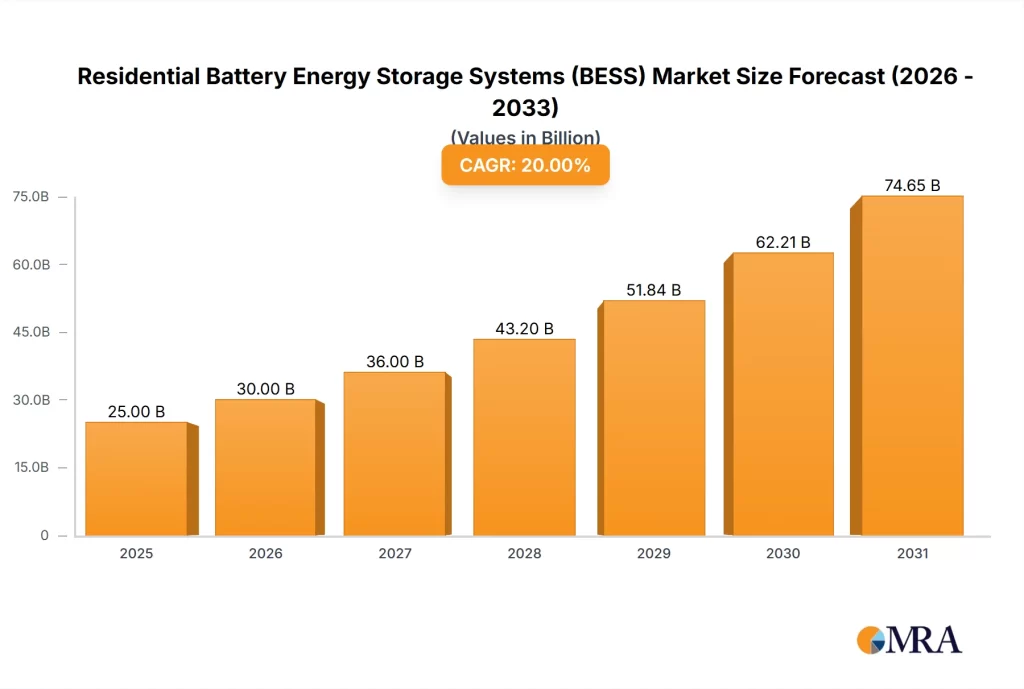
Residential Battery Energy Storage Systems (BESS) market growth forecast (example chart showing strong 2026-2033 expansion).
High-profile utility-scale events like the January 2025 Moss Landing, California fire (which led to evacuations but was contained) highlight risks when protocols slip—yet residential systems with full compliance show near-zero propagation in testing. EPRI's latest residential ESS safety guidelines emphasize that certified installations with proper homeowner practices are exceptionally safe.
The 8 Most Ignored Safety Protocols for Residential Solar Battery Storage
These are the protocols most homeowners overlook—often because installers don't fully explain them or systems seem “maintenance-free.”
1. Skipping Professional Installation and Permitting
DIY attempts or hiring uncertified contractors remain common. Local building codes, NFPA 855, and the International Residential Code require permits and inspections for home energy storage systems. Skipping them voids warranties and creates hidden electrical risks.
Recent 2025 data shows many incidents involved unpermitted installs. Sunpal systems ship with full documentation to streamline AHJ approvals, but homeowners must still engage licensed professionals.
Action: Demand UL 9540-listed equipment and insist on NABCEP-certified installers. Verify permits before work begins.
2. Poor Siting and Ventilation Choices
Placing wall-mounted batteries too close to walls, heat sources, or indoors without proper clearance violates NFPA 855 spacing rules. Garages are popular but demand fire barriers and ventilation.
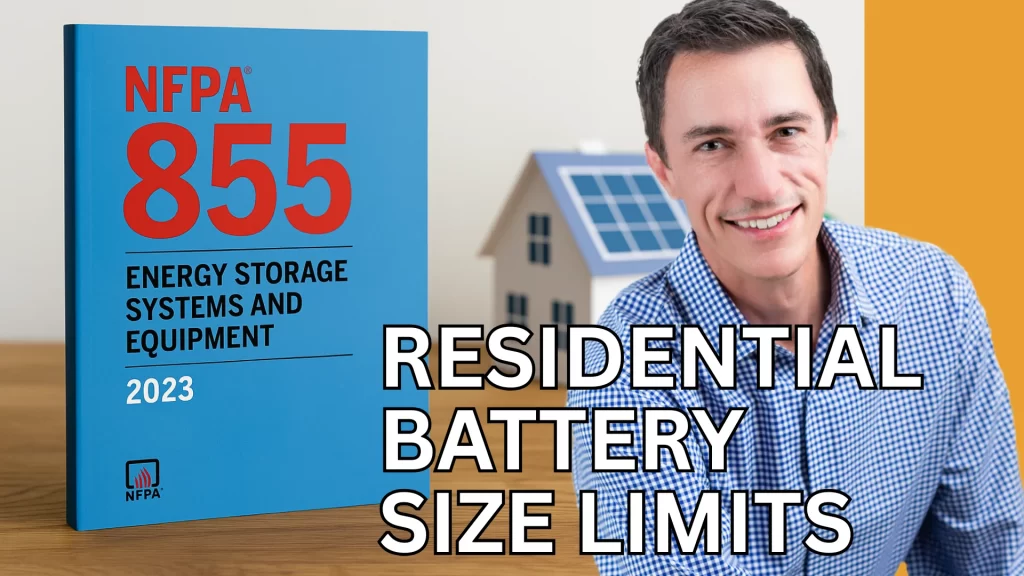
NFPA 855 residential battery storage size and spacing guidance (visual reference).
Action: Maintain manufacturer-specified clearances (often 3 feet or more) and install outdoors or in dedicated ventilated enclosures when possible.
3. Ignoring Battery Chemistry and UL 9540 Certification
Not all lithium-ion batteries are equal. LiFePO4 (LFP) chemistry, used in Sunpal residential models, offers superior thermal stability over NMC. Non-certified or refurbished cells bypass safety testing.
UL 9540 certifies the entire system (battery, inverter, BMS). The linked UL 9540A 6th edition (2026) now mandates large-scale fire testing to prove non-propagation.
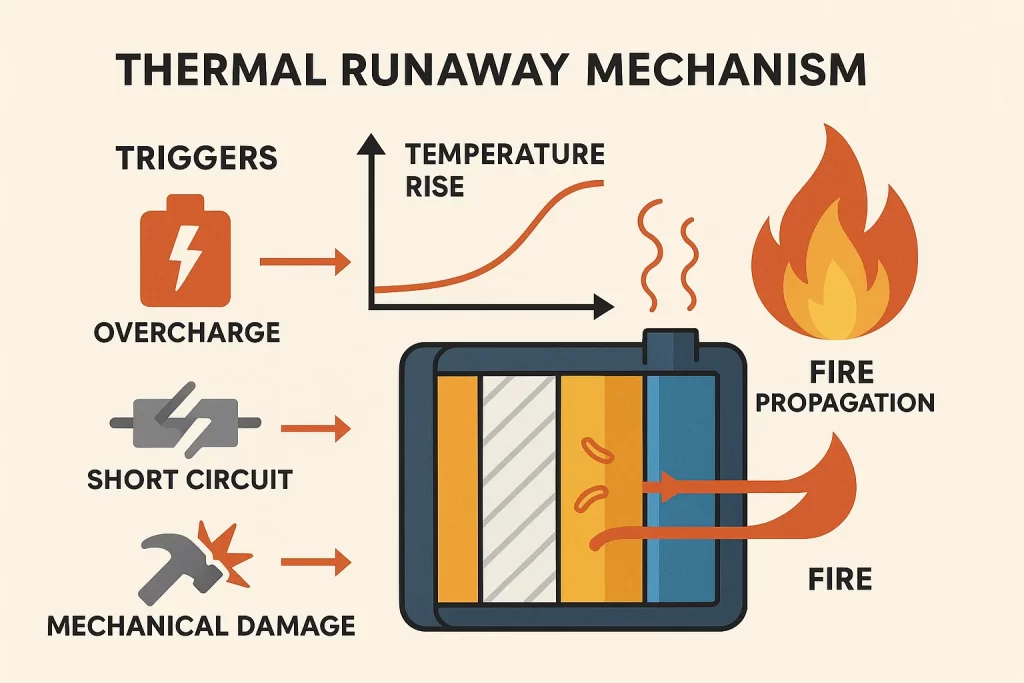
Thermal runaway mechanism diagram—understanding triggers like overcharge or damage.
Action: Choose only UL 9540 and UL 9540A-tested systems. Sunpal's LFP-based home ESS units exceed these benchmarks with multi-layer protection.
4. Neglecting Battery Management System (BMS) Monitoring
Smart apps and remote monitoring exist for a reason. Homeowners often ignore alerts or fail to integrate with home solar systems. Advanced BMS in Sunpal units track cell voltage, temperature, and state-of-charge in real time.
Overriding or disabling monitoring defeats built-in safeguards against overcharge or imbalance.
Action: Download the manufacturer app, enable notifications, and review monthly reports.
5. Inadequate Electrical Integration and Grounding
Mismatched inverters, undersized wiring, or missing surge protection violate NEC Article 706. Common in rushed solar + battery retrofits.
Proper grounding and rapid shutdown prevent arc faults and shock hazards.
Action: Use compatible hybrid inverters and have the system inspected post-install.
6. Zero Routine Maintenance and Inspections
“Maintenance-free” is marketing speak. Dust, corrosion, and firmware updates still matter. Annual professional checks catch issues early. EPRI recommends visual inspections and software updates yearly.
Action: Schedule certified service; clean vents; update firmware via the app.
7. Overlooking Emergency Response Planning
Few homeowners share system specs with first responders or create evacuation plans. NFPA 855 2026 requires emergency planning documentation.
Action: Post UL 9540A test summaries near the unit and include ESS details in your home fire plan.
8. Improper Pre-Installation Storage and Handling
Batteries stored at extreme temperatures or incorrect charge levels before setup degrade safety. Sunpal ships units at optimal 30-50% SOC with clear handling guidelines.
Action: Follow manufacturer storage specs—never store in unconditioned spaces.
Real-World Risks and Lessons from 2025-2026 Incidents
While residential ESS fires remain extremely rare (under 0.01% annually in compliant systems), utility-scale events provide sobering lessons. The January 2025 Moss Landing fire involved thermal runaway in an aging facility, leading to evacuations but no injuries—air and water testing showed no public health risks. Similar contained incidents at Gateway (2024) underscore that propagation occurs when spacing, monitoring, or suppression protocols are ignored.
In contrast, residential data from Australia (2022-2023) showed only 3 home battery fires among 57,000+ units—mostly tied to installation errors, not the batteries themselves. EPRI and Clean Energy Group reports confirm: compliant residential solar battery storage is safer than many household appliances when protocols are followed.
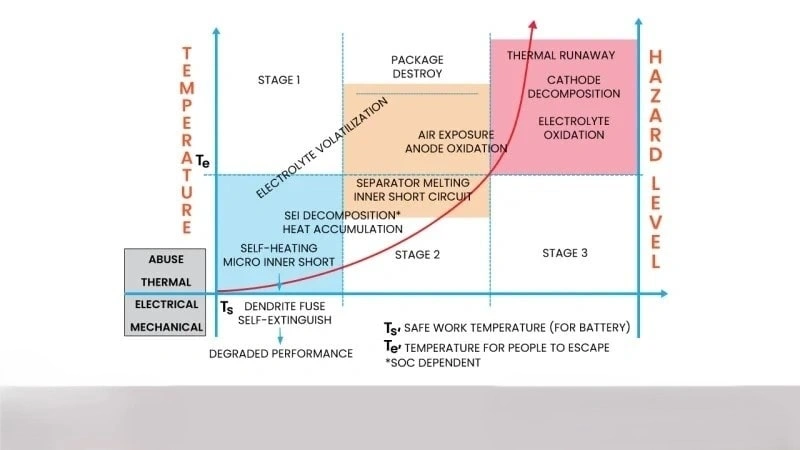
Stages of thermal runaway in lithium batteries—early detection via BMS prevents escalation.
Industry Standards Every Homeowner Must Know
Key benchmarks include:
- NFPA 855 (2026 edition): Default HMA, stricter explosion control, and emergency planning.
- UL 9540 & UL 9540A (6th ed. 2026): Full system certification plus large-scale fire testing for non-propagation.
- NEC Article 706: Electrical integration rules.
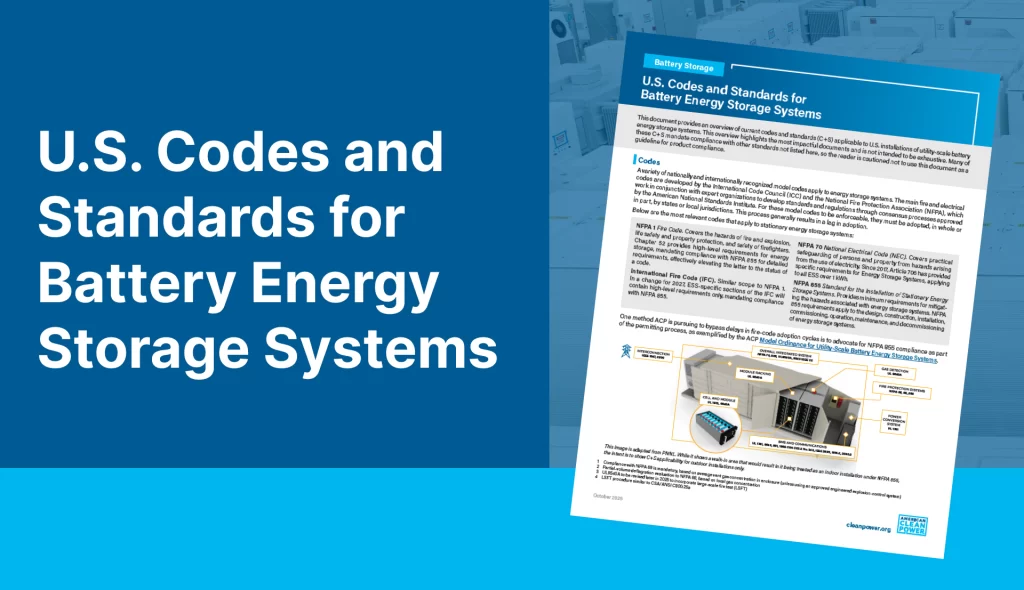
U.S. codes and standards overview for battery energy storage systems (includes NFPA 855 diagram).
Quick Reference Table: Standards vs. Homeowner Responsibilities
| Standard | Key Requirement | Homeowner Action |
| NFPA 855 (2026) | HMA + spacing | Hire permitted installer; keep clearances |
| UL 9540/9540A | Thermal runaway testing | Demand certified systems |
| NEC 706 | Wiring & grounding | Post-install electrical inspection |
| EPRI Guidelines | Annual maintenance | Schedule professional service |
All Sunpal residential ESS solutions are engineered to surpass these standards with intelligent thermal management, fire suppression readiness, and UL standard components.
Actionable Best Practices and Choosing a Safe Residential Solar Battery Storage System
Follow this checklist:
- Hire only licensed, NABCEP-certified installers.
- Verify full UL 9540 and UL 9540A documentation.
- Integrate smart monitoring apps and enable alerts.
- Schedule annual professional inspections.
- Maintain proper siting and ventilation.
- Develop and share an emergency response plan.
- Choose LFP chemistry for inherent safety advantages.
- Future-proof with firmware updates and compatible solar inverters.
Sunpal's wall-mount and all-in-one residential ESS units incorporate these best practices by design—advanced BMS, IP65/IP67 enclosures, and multi-layered electrical protection—making them ideal for homeowners seeking reliable solar energy storage.
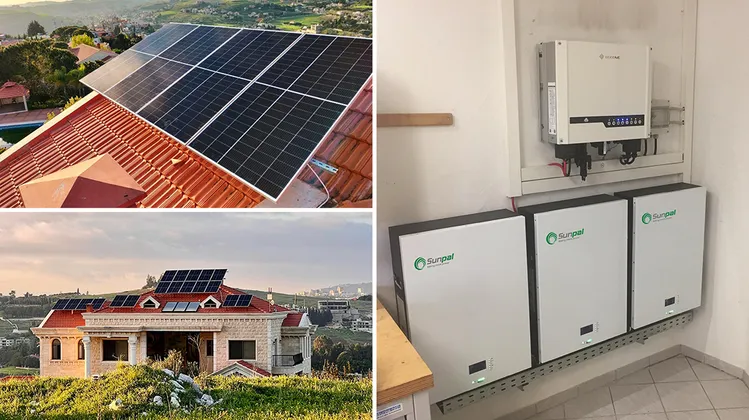
Example of modern residential solar battery storage installation with Sunpal systems paired with rooftop solar.
Conclusion
Energy storage system safety isn't automatic—it's the result of following protocols most homeowners ignore. With residential solar battery storage adoption accelerating in 2026, informed choices deliver peace of mind, lower energy costs, and true energy independence.
Review your current or planned home ESS installation against this checklist today. Explore Sunpal's certified residential energy storage systems, built from the ground up with safety, performance, and compliance at the core. Contact a Sunpal authorized installer to secure your solar-powered future—safely.