
Solar Power System Emergency Bypasses: Ensuring Continuous Energy When Solar Components Fail

Product Insights2026-01-06

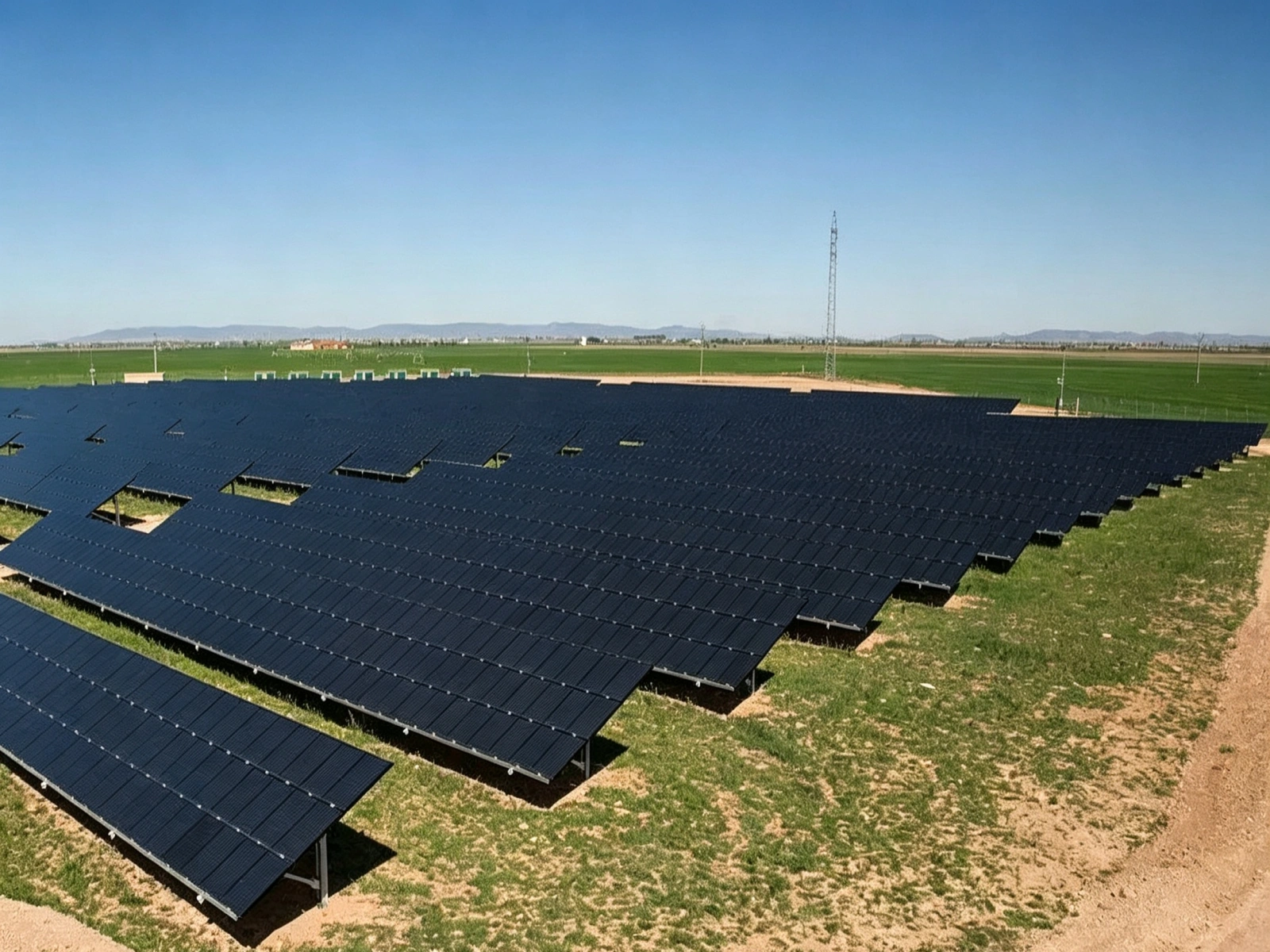
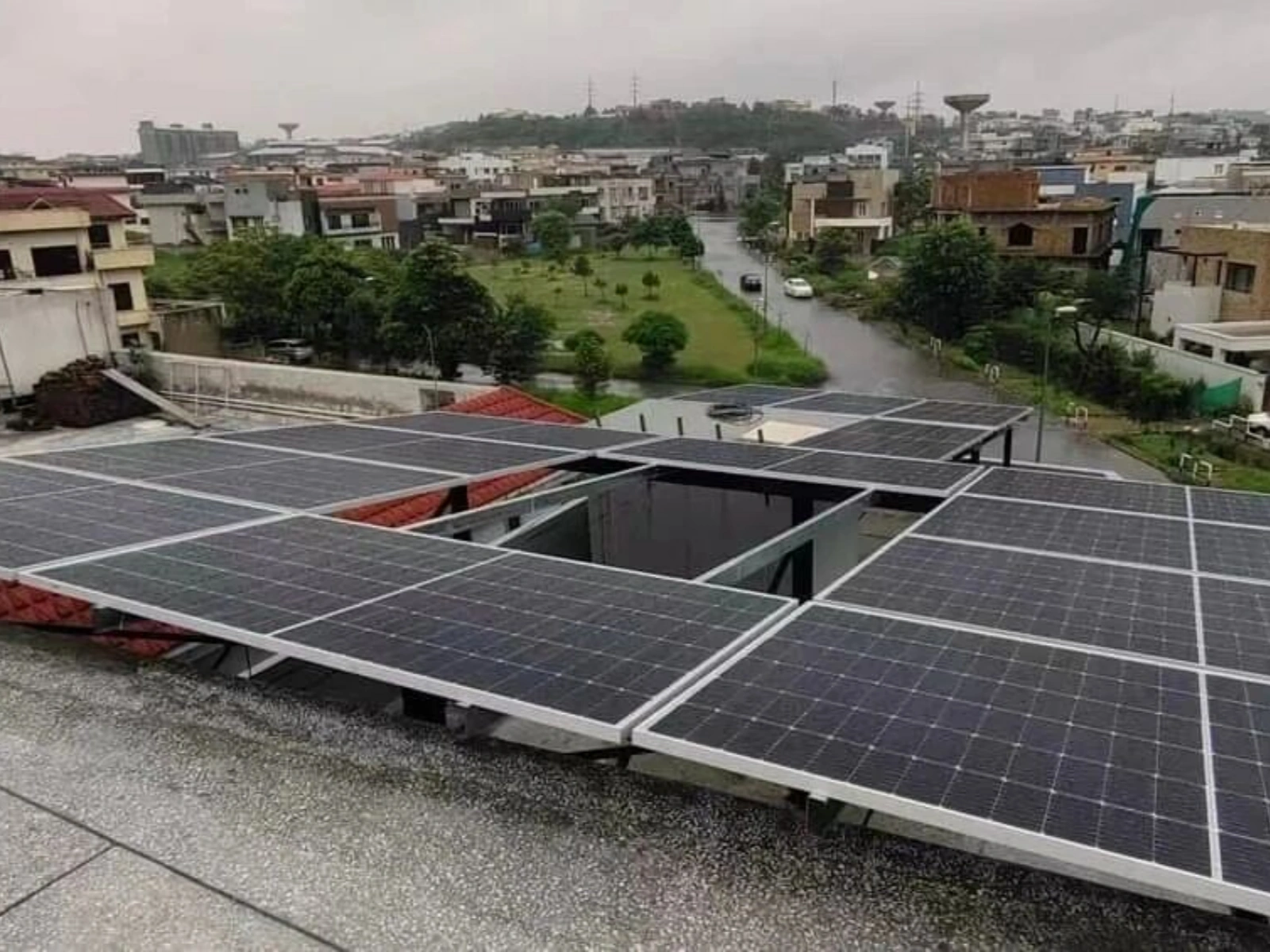
 Diagram of solar panels, batteries, and bypass routes for reliability during component failures.

Why System Resilience Is Becoming the New Benchmark in Solar Energy

What happens to a solar power system when its inverter shuts down unexpectedly, or when a battery protection mechanism is triggered at peak demand? For solar developers, EPCs, and commercial energy users, the answer increasingly defines system value.

As solar energy systems evolve from simple grid-tied installations to complex solar + storage + generator hybrid architectures, power continuity has become just as important as energy generation. This shift has brought solar power system emergency bypasses into the spotlight—not as optional add-ons, but as core infrastructure for reliable renewable energy systems.

Today, emergency bypass design is directly linked to system uptime, operational risk, and return on investment, especially in commercial and industrial (C&I) solar applications.

What Is an Emergency Bypass in a Solar Power System?

An emergency bypass is a dedicated electrical pathway that allows power to continue flowing to critical loads when a key solar system component—such as an inverter or battery—fails or is taken offline.

Instead of shutting down the entire system, the bypass reroutes electricity from an alternative source, such as:

  • The utility grid
  • A backup generator
  • A secondary inverter path

In modern solar power systems, bypasses can be:

  • Manual, requiring operator intervention
  • Automatic, responding in milliseconds without human input

From an operational standpoint, emergency bypasses transform solar systems from energy producers into resilient power assets.

Why Solar Systems Fail: The Real Triggers Behind Bypass Activation

Understanding bypass value begins with understanding failure points.

Inverter Faults Remain the Top Cause of Solar Downtime

Inverters are the most complex and failure-prone components in a solar power system. Common triggers include:

  • Over-temperature shutdowns
  • Internal protection faults
  • Firmware or communication errors

Without a bypass, a single inverter fault can disconnect all downstream loads.

Battery Protection Events Are Increasing in Hybrid Systems

Lithium battery systems rely on Battery Management Systems (BMS) to protect cells. While essential, BMS actions can:

  • Temporarily isolate the battery
  • Interrupt power during peak usage

Emergency bypasses ensure that loads remain energized even when storage systems are unavailable.

Grid Instability Is No Longer Rare

Voltage fluctuations, frequency deviations, and unplanned outages are increasingly common in many regions. Hybrid solar systems must react instantly to avoid downtime.

Chart 1: Primary Causes of Solar System Downtime (Industry Averages)

CausePercentage of Downtime
Inverter faults38%
Battery protection events21%
Grid instability19%
Maintenance and upgrades14%
Other factors8%

Insight: More than half of solar downtime events originate inside the system itself—highlighting the importance of internal bypass architecture.

Types of Emergency Bypass Solutions Used in Modern Solar Installations

Manual Bypass Switches: Basic but Effective

Manual bypasses are commonly used in:

  • Small commercial systems
  • Budget-sensitive projects

They provide a physical switch that isolates the inverter and reconnects loads directly to the grid or generator. While reliable, response time depends on human action.

Automatic Transfer Switch (ATS) Bypasses: The Industry Standard

ATS-based bypass systems dominate commercial and industrial solar projects. Their advantages include:

  • Transfer times measured in milliseconds
  • No interruption to sensitive equipment
  • Enhanced safety through automated isolation

For data centers, hospitals, and factories, automatic bypasses are no longer optional.

Integrated Bypass Architecture in Hybrid and All-in-One Systems

Advanced hybrid inverters now incorporate internal bypass circuits, reducing:

  • External wiring complexity
  • Failure points
  • Installation time

This design trend supports faster deployment and higher overall system reliability.

How Emergency Bypass Behavior Differs Across Solar System Types

Grid-Tied Solar Systems

In traditional grid-connected systems, a bypass allows loads to remain powered directly by the utility when the inverter is offline. While simple, functionality depends entirely on grid availability.

Off-Grid Solar Systems

In off-grid environments, bypasses play a critical role in:

  • Generator integration
  • Load prioritization
  • Preventing full system blackouts

Without bypass mechanisms, off-grid failures often lead to complete power loss.

Hybrid Solar + Storage Systems

Hybrid systems rely heavily on coordinated bypass logic to balance:

  • Solar generation
  • Battery discharge
  • Grid or generator input

This coordination ensures uninterrupted power during dynamic operating conditions.

Chart 2: Power Flow Paths With and Without Emergency Bypass

System ConditionPower Flow Without BypassPower Flow With Bypass
Normal operation (solar + battery)Solar + battery → LoadsSolar + battery → Loads
Inverter failureNo power to loadsAlternative source → Loads
Battery failureSolar → Loads interruptedGrid or generator → Loads

Insight: Bypass-enabled systems maintain load power even during internal failures, dramatically improving operational reliability.

Safety and Compliance: Why Bypass Design Must Follow Standards

Emergency bypass systems are not just functional components—they are safety-critical devices. Proper design must ensure:

  • Electrical isolation during faults
  • Protection against backfeeding
  • Safe maintenance conditions

Globally recognized standards such as IEC, CE, and UL play a key role in ensuring bypass reliability and installer safety. Certified bypass components significantly reduce long-term operational risk.

The Financial Impact: How Emergency Bypass Systems Improve Solar ROI

Downtime is expensive. For commercial users, even brief power interruptions can lead to:

  • Production losses
  • Data corruption
  • Equipment damage

Emergency bypass systems directly contribute to:

  • Higher system availability
  • Lower maintenance costs
  • Extended equipment lifespan

From an investment perspective, bypasses protect not just energy output, but business continuity.

Chart 3: Cost of Downtime vs. Investment in Emergency Bypass

ItemCost / Value
Average downtime cost per hour (C&I)$2,500–$10,000
Average bypass system investment$5,000–$20,000
Estimated payback period< 12 months

Insight: Emergency bypass systems frequently pay for themselves after preventing just one major outage, especially in commercial and industrial environments.

Best Practices for Designing Reliable Solar Emergency Bypass Systems

Effective bypass implementation requires more than hardware selection. Best practices include:

  • Defining critical and non-critical loads
  • Matching bypass type to system scale
  • Integrating bypass logic with energy management systems (EMS)
  • Conducting routine testing and commissioning

Professional system design ensures bypasses function correctly when they are needed most.

Industry Trend: Emergency Bypass Is Becoming a Standard Design Requirement

As solar energy systems continue to power mission-critical operations, expectations are changing. Today’s market increasingly views emergency bypass capability as:

  • A reliability baseline
  • A risk-management tool
  • A differentiator for high-quality solar installations

In the coming years, bypass integration is expected to become a default requirement rather than a premium feature.

Conclusion: Planning for Failure Is the Key to Reliable Solar Power

Solar power systems are designed for performance—but true reliability comes from planning for failure. Emergency bypass systems ensure that when components fail, power does not.

For modern solar installations, especially hybrid and C&I projects, emergency bypass design is no longer about redundancy—it is about resilience, safety, and long-term value.As the solar industry moves toward smarter, more integrated energy systems, emergency bypasses will remain a foundational element of dependable solar power architecture.

Free to contact us