


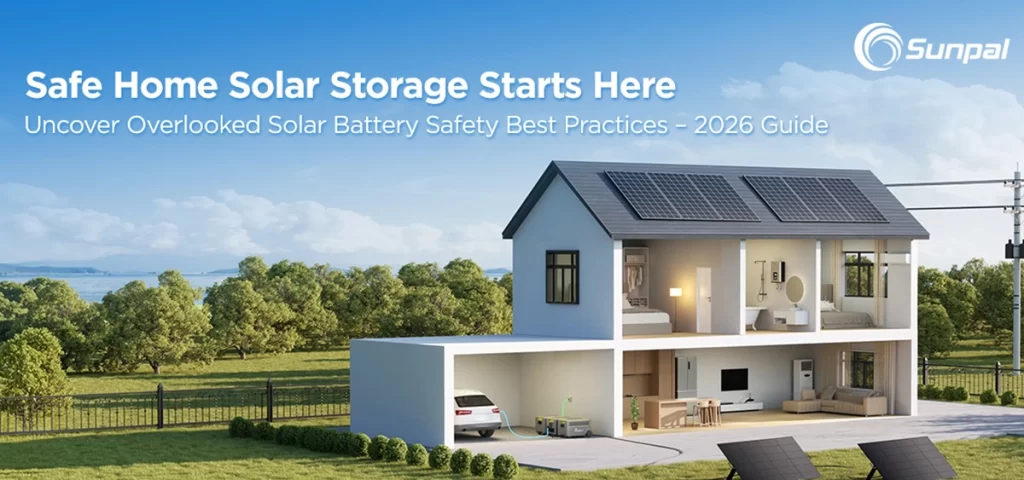
Are home solar batteries truly safe for everyday use? Modern home solar storage systems deliver reliable energy independence with an outstanding safety profile. Studies show residential battery fire risks are extremely low—around 0.005% per system per year, roughly 50 times lower than a typical house fire and comparable to common appliances like tumble dryers. Failure incidents per deployed energy remain rare, with improvements in design and standards continuing to reduce risks further.
Yet even with this strong record, certain overlooked protocols can introduce preventable concerns. Homeowners often focus on benefits like lower bills and blackout protection while skipping key safeguards in installation, placement, and maintenance. This guide highlights the most commonly ignored solar battery safety practices, helping you protect your home, family, and investment while enjoying clean, efficient solar energy storage.
The Rising Tide of Home Solar Storage: Why Safety Matters Now More Than Ever
Home solar battery systems, like lithium-ion setups paired with photovoltaic panels, offer unparalleled benefits: reduced grid reliance, lower electricity bills, and blackout resilience. Yet, as adoption accelerates—U.S. residential deployments hitting new highs in 2025—awareness of best practices for solar energy storage lags. Data reveals that while overall incidents are rare, with cell failure rates as low as 1 in 10-40 million, many stem from user oversights rather than tech flaws.
Consider this: Between 2018 and 2023, battery energy storage system (BESS) failure rates plummeted 97%, from 9.2 to 0.2 incidents per GW deployed, thanks to enhanced designs and standards. Globally, grid-scale deployments have soared, but residential solar storage risks persist if protocols are skipped. At Sunpal, we champion safe solar battery integration, ensuring your system aligns with top certifications for peace of mind.
To illustrate the positive trend:
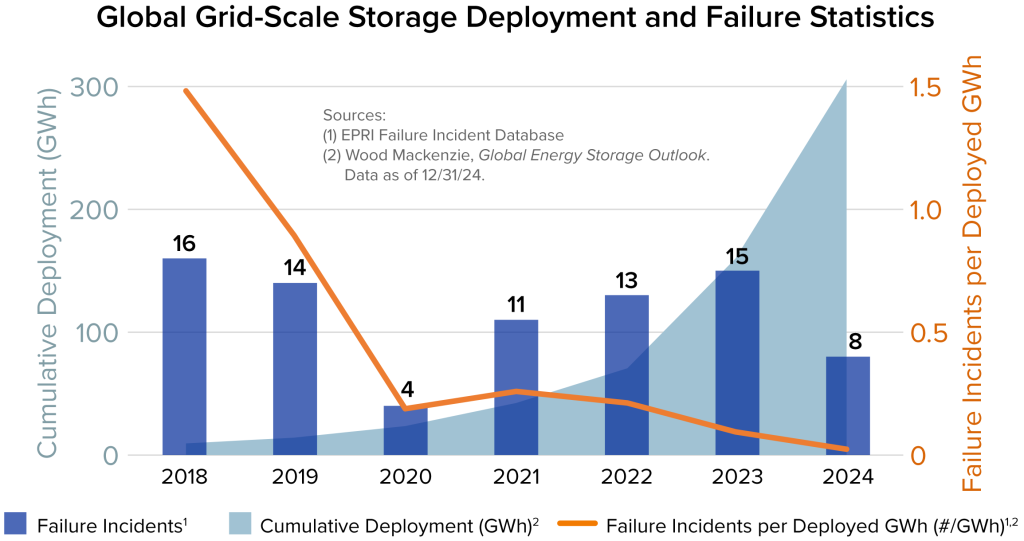
This chart highlights how cumulative deployments have risen alongside declining failure rates, underscoring the industry's safety evolution.
Critical Location Choices for Your Solar Battery Setup
Optimal Placement to Minimize Home Solar Storage Risks
One of the most common missteps in solar battery safety is improper siting. Homeowners often tuck units into basements or attics for convenience, but this heightens hazards like overheating or flood exposure. According to NFPA 855 guidelines, residential energy storage systems should be installed in garages, exterior walls (at least 3 feet from openings), or dedicated outdoor enclosures to ensure ventilation and accessibility.
Why the oversight? Space constraints in urban homes lead to compromises, yet poor placement can exacerbate thermal issues in lithium-ion batteries. Best practice: Consult local codes and opt for elevated, dry spots away from direct sunlight or heat sources. For solar-integrated systems, align with your panels' orientation for efficient cabling. Quick tip: Use professional site assessments to avoid costly relocations.
Professional Installation: The Foundation of Safe Solar Energy Storage
Why DIY Solar Battery Setups Can Backfire
Skipping certified installers is a top ignored protocol in home solar storage. With the rise of affordable kits, many attempt self-installs, risking mismatched inverters or faulty wiring that could spark electrical faults. UL 9540 standards mandate comprehensive testing for system integrity, covering electrical and fire safety.
Data analysis shows 65% of BESS incidents link to integration errors, not cell failures. For businesses eyeing solar safety, professional services ensure compliance with NFPA 855, reducing liability. Best approach: Hire NABCEP-certified pros who handle permits and grid ties. Tip: Verify installer credentials to safeguard your warranty.
Ventilation and Climate Control: Key to Preventing Overheating in Solar Batteries
Maintaining Ideal Conditions for Lithium-Ion Solar Storage
Heat buildup is a silent threat in solar energy storage, often ignored amid busy lifestyles. Batteries thrive between 59-77°F; extremes can trigger degradation or rare thermal runaway. Homeowners frequently overlook clearance requirements, stacking units too closely or near appliances.
Trends show safety improvements with advanced thermal management, like water-based electrolytes in new models, eliminating fire risks. For optimal solar battery safety, install in well-vented areas with fans or AC integration. Data from EPRI indicates failure rates have dropped 98% since 2018 as designs incorporate better cooling. Quick advice: Monitor via apps and schedule seasonal checks.
Here's a data breakdown of lithium-ion battery types' growth, reflecting safer chemistries like LFP gaining traction:
| Battery Type | 2024 Market Size (USD Bn) | Projected 2034 Size (USD Bn) | Key Safety Feature |
| Lithium Cobalt Oxide (LCO) | 10.5 | 25.3 | High energy but thermal risks |
| Lithium Manganese Oxide (LMO) | 15.2 | 40.1 | Better thermal stability |
| Lithium Nickel Manganese Cobalt Oxide (NMC) | 25.4 | 120.5 | Balanced safety and density |
| Lithium Nickel Cobalt Aluminum Oxide (NCA) | 18.7 | 85.6 | Enhanced overcharge protection |
| Lithium Iron Phosphate (LFP) | 30.1 | 150.2 | Superior fire resistance |
| Lithium Titanate Oxide (LTO) | 5.6 | 27.1 | Ultra-safe, fast charging |
Source: Market analysis. This table shows LFP's dominance, prized for residential solar due to lower risks.
Routine Monitoring and Maintenance for Long-Term Solar Battery Reliability
Staying Ahead of Issues with Smart Solar Storage Oversight
Many dismiss regular checks, assuming automated systems handle everything. Yet, ignoring dust, corrosion, or alerts can compromise solar battery safety. Modern units feature Battery Management Systems (BMS) that flag anomalies, but homeowners often mute notifications.
Statistics reveal HSS fires are 50 times less likely than house fires (0.005% probability), yet vigilance amplifies this. Best practices for solar energy storage include monthly visual inspections and annual professional tune-ups. For solar companies searching "home solar battery monitoring tools," integrate IoT apps for real-time data. Tip: Enable firmware updates to access latest safety enhancements.
Emergency Preparedness: Your Solar System's Last Line of Defense
Planning for the Unexpected in Home Energy Storage
Few prepare for worst-case scenarios, like fires or leaks, despite low odds. NFPA 855 requires coordination with first responders, yet many skip this. Solar battery safety demands lithium-specific extinguishers (Class D) and evacuation plans.
Recent trends emphasize early detection in BESS, with 2025 innovations like integrated thermal sensors. Data: Only 0.3% annual failure rate for BESS, comparable to house fires. Best tip: Post emergency contacts and train family on shutdown procedures.
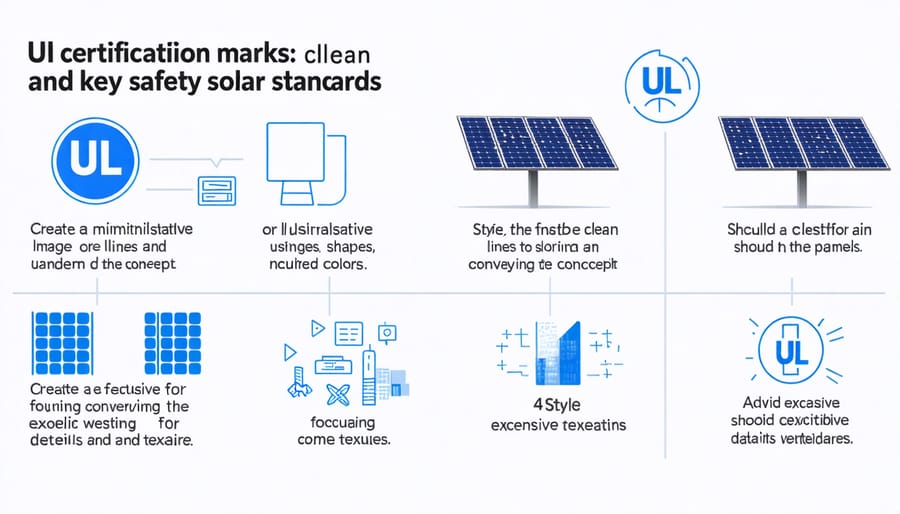
Visualize key safety standards with this infographic:
Component Compatibility: Avoiding Mismatches in Solar Energy Systems
Ensuring Seamless Integration for Safe Solar Storage
Mixing brands or voltages is a frequent error, voiding warranties and raising risks. For best practices in solar energy storage, stick to compatible components certified under UL 9540A for thermal runaway testing.
With high-voltage systems trending (safer handling per 2025 outlooks), verify matches. Tip: Use Sunpal's modular designs for easy upgrades.
The Bright Future of Secure Solar Battery Technology
Advancements like solid-state batteries and LFP chemistry are making home solar storage safer than ever. Failures are decreasing amid deployments—U.S. storage grew 18x from 2017-2022, with incidents rising far less. At Sunpal, our UL-compliant systems lead the way.
For market context:
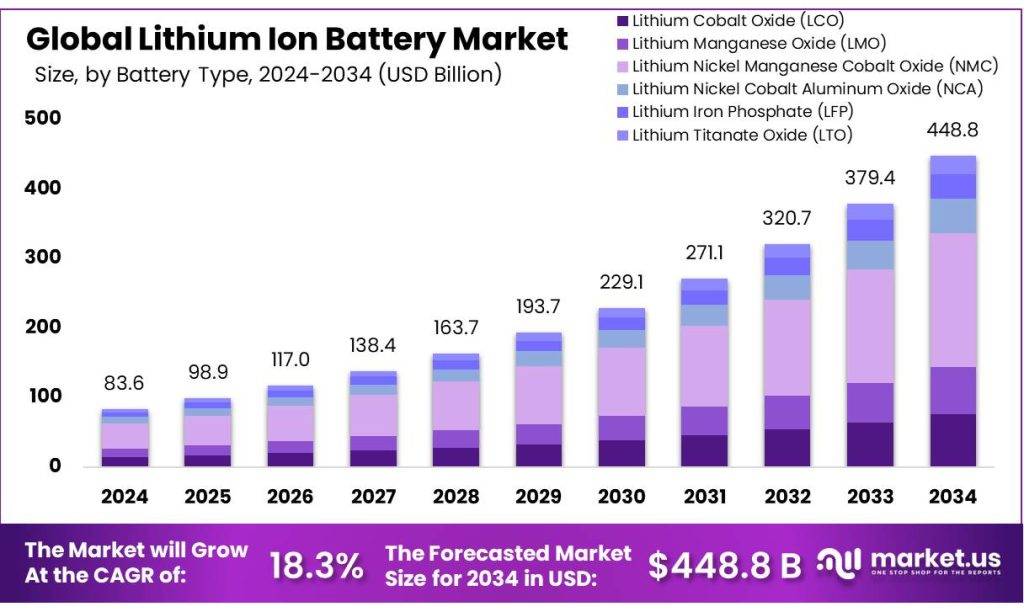
This graph projects lithium-ion growth, tied to safer residential applications.
Empower Your Home with Safe Solar Solutions
By heeding these overlooked protocols, you slash already-minimal home solar storage risks while maximizing benefits. Safety isn't optional—it's the key to sustainable energy.Ready for secure solar battery integration? Contact Sunpal for expert consultations on best practices for solar energy storage. Explore our certified systems or download our free safety guide.
FAQs: Solar Battery Safety – Quick Answers
1. Are home solar batteries a major fire risk?
No. Modern systems have a fire risk of ~0.005% per year—about 50× lower than house fires. Most issues come from skipped protocols, not the technology. UL 9540 and NFPA 855 certified batteries are very safe.
2. Can I put my solar battery anywhere in the house?
No. NFPA 855 recommends garages, exterior walls (≥3 ft from openings), or outdoor enclosures. Avoid bedrooms, basements, or hot/moist areas to prevent overheating risks.
3. Is professional installation really necessary?
Yes. DIY or unqualified work often causes wiring errors or non-compliance, leading to most integration issues. Certified installers protect your warranty and ensure UL 9540 / NFPA 855 standards.
4. How do I stop my lithium-ion battery from overheating?
Install in a ventilated area with good clearance, keep temperatures 59–77°F, and use app monitoring. Enable alerts and update firmware regularly.
5. What should I do if my battery overheats or shows warnings?
Stop charging/discharging via the app, evacuate if you see smoke or smell burning, and call professionals. Use a Class D extinguisher for lithium fires—never water.
6. Should I prepare firefighters for my solar battery?
Yes. Share system location and details with local fire services and post shutdown instructions. Proper prep makes already-low risks even smaller (NFPA 855 guideline).
7. Can I mix different brands of solar batteries?
Avoid it. Incompatible components can cause faults, reduce safety, and void warranties. Use matched, UL 9540A-certified systems for best results.
8. How often should I check my home solar storage?
Monthly visual inspections (dust, corrosion, connections) + annual professional service. Keep monitoring apps active and firmware current.
9. Which safety certifications matter most?
Look for UL 9540 (system), UL 1973 (cells), UL 9540A (thermal runaway), and NFPA 855 compliance. These cover overcharge, fire, and installation safety.
10. Are LFP batteries safer than older lithium types?
Yes. Lithium Iron Phosphate (LFP) has better thermal stability and lower fire risk than NMC/NCA. It's now the top choice for safe residential solar storage.